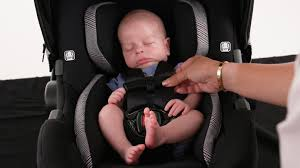
Bringing a newborn home is one of the most emotional milestones for any family—and it often begins with the first car ride. While most parents focus on choosing the right car seat, knowing the position of the newborn in the car seat correctly is just as critical as the seat itself. Improper positioning can compromise breathing, reduce crash protection, and increase the risk of injury.
Whether you’re heading home from the hospital or planning your first outing, understanding how to position your newborn properly ensures every ride is as safe as possible. For families who travel frequently or rely on travel systems, pairing a correctly installed car seat with a reliable toddler stroller can also make transitions smoother while maintaining safety outside the vehicle.
This guide walks you step by step through best practices for positioning a newborn in a car seat—based on pediatric safety standards and real-world use.

The Safe Ride: Why Correct Positioning Matters for Newborns
Newborns are uniquely vulnerable passengers. Their neck muscles are weak, airways are narrow, and their bodies are still developing protective strength. Even with the safest car seat on the market, improper positioning can:
- Allow the head to slump forward and restrict breathing
- Reduce the effectiveness of the harness in a crash
- Increase the risk of ejection or internal injury
Correct positioning supports the spine, protects the airway, and ensures crash forces are distributed across the strongest parts of your baby’s body.
The Critical Recline Angle: Protecting the Airway
One of the most common positioning mistakes involves recline angle.
Why Recline Matters
Newborns must ride in a semi-reclined position, typically around 30–45 degrees, depending on manufacturer guidelines. This angle keeps the baby’s head from falling forward onto the chest—a position that can obstruct breathing.
How to Check the Angle
- Use the built-in angle indicator or bubble level on the car seat
- Adjust the seat base or recline foot as directed
- Never place a rolled towel or pool noodle unless the manufacturer allows it
A properly reclined seat supports safe breathing even during sleep.
Harness Height Check: Straps at or Below the Shoulders
For rear-facing newborns, harness straps must be positioned at or slightly below shoulder level.
Why This Matters
- Keeps the baby from sliding upward in a crash
- Prevents spinal compression
- Ensures the harness holds the torso securely
What to Do
- Locate the lowest harness slots
- Re-thread straps if necessary
- Double-check after growth spurts
Harness position should be reassessed regularly as newborns grow quickly.
The “Pinch Test”: Ensuring a Snug Harness Fit
A loose harness is one of the most dangerous errors—and one of the easiest to fix.
How to Perform the Pinch Test
After buckling:
- Place your fingers at the baby’s shoulder
- Try to pinch the harness strap
- If you can grab excess material, it’s too loose
Proper Fit Indicators
- Harness lies flat, not twisted
- Snug at shoulders and hips
- No visible slack
A snug harness keeps your newborn properly restrained without causing discomfort.
Chest Clip Placement: Armpit Level Is Non-Negotiable
The chest clip plays a critical role in keeping the harness positioned correctly.
Correct Placement
- Level with the baby’s armpits
- Centered on the chest
Common Mistakes
- Too low (near the belly)
- Too high (near the neck)
The chest clip does not restrain the baby—it ensures the shoulder straps stay in place during impact.
Head Positioning for Airway Safety
Newborns naturally have heavy heads and weak neck control, making head positioning especially important.
What to Watch For
- Chin resting on chest
- Head tilted forward after falling asleep
How to Prevent Chin-to-Chest Slump
- Ensure proper recline angle
- Adjust harness snugness
- Use only approved inserts
A clear airway is the top priority during every ride.
Use of Inserts and Padding: Less Is More
Many car seats include infant inserts—but not all padding is safe.
Safe Use Guidelines
- Use only manufacturer-approved inserts
- Follow weight and height guidelines
- Remove inserts when instructed
What to Avoid
- Aftermarket head supports
- Rolled blankets behind the head
- Padding under the harness
Unapproved inserts can interfere with harness fit and crash performance.
The Importance of Body Fit: Bottom All the Way Back
Your newborn’s body must be fully seated against the back of the car seat to ensure optimal protection and proper harness function. A secure body fit allows crash forces to be distributed across the baby’s strongest areas rather than concentrating pressure on the neck or abdomen.
Correct Positioning Checklist
- Baby’s bottom flat against the seat: The hips should be firmly placed at the deepest part of the car seat without any gap.
- No slouching or sliding forward: The pelvis should not tilt, and the baby should not “sink” down after buckling.
- Back evenly supported: The spine should rest naturally against the seat with no rounding or twisting.
Dressing for Safety: Skip Bulky Clothing
What your baby wears can affect harness performance.
Unsafe Under-Harness Clothing
- Thick jackets
- Snowsuits
- Puffy sweaters
Safer Alternatives
- Thin, fitted layers
- Onesies and sleepers
- Blanket placed over buckled harness
Bulky clothing compresses in a crash, leaving dangerous slack.
Final Safety Checks Before Every Ride
Before driving, always confirm:
- Rear-facing position is maintained
- Seat recline is correct
- Harness is snug and untwisted
- Chest clip is at armpit level
- No loose items are near the baby
Consistency matters—do this every time, even for short trips.
When to Seek Help: Professional Safety Checks
If you’re unsure about positioning, help is available.
Where to Get Assistance
- Certified Child Passenger Safety Technicians (CPSTs)
- Hospital discharge educators
- Local fire stations (availability varies)
A quick inspection can provide peace of mind and correct small mistakes.
Final Thoughts: Safety Is in the Details
Positioning a newborn in a car seat correctly isn’t about perfection—it’s about understanding the small details that make a big difference. Proper recline, snug harnessing, correct head support, and appropriate clothing all work together to protect your baby’s fragile body.
As your child grows, positioning needs will change—but the foundation of safe travel starts now. Taking a few extra minutes before each ride ensures that your newborn’s very first journeys are protected, comfortable, and secure.
Leave a Reply